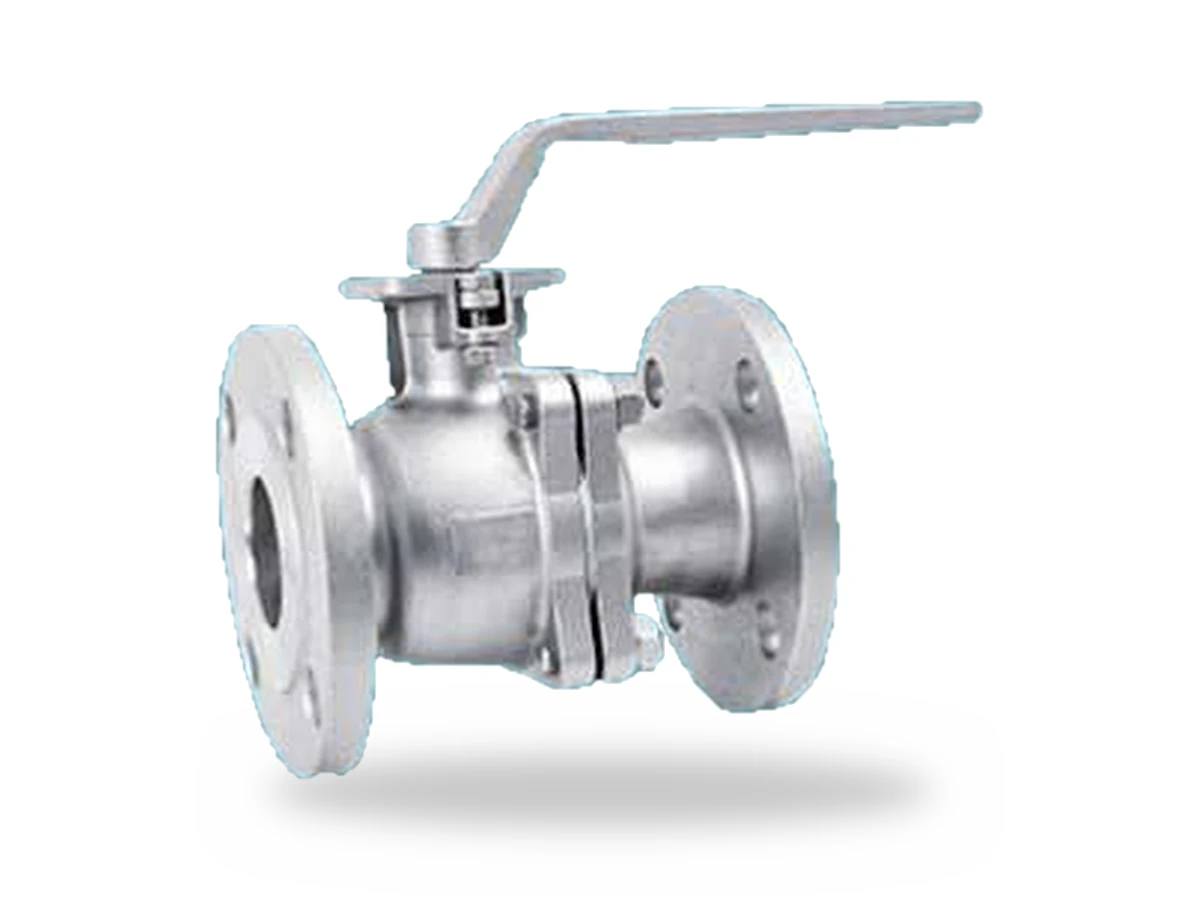
Valve Bodies
Bronze, gunmetal and stainless gate, globe, check and ball valve bodies, cast pressure-tight and machined.
Indicative price from
$9 /kg
Industry · Buildings & Infrastructure
Brass and copper valve bodies, fittings and heat-exchanger parts for HVAC, refrigeration and cooling systems.
Products for hvac, refrigeration & industrial cooling parts

Valve Bodies, Bonnets & Trim
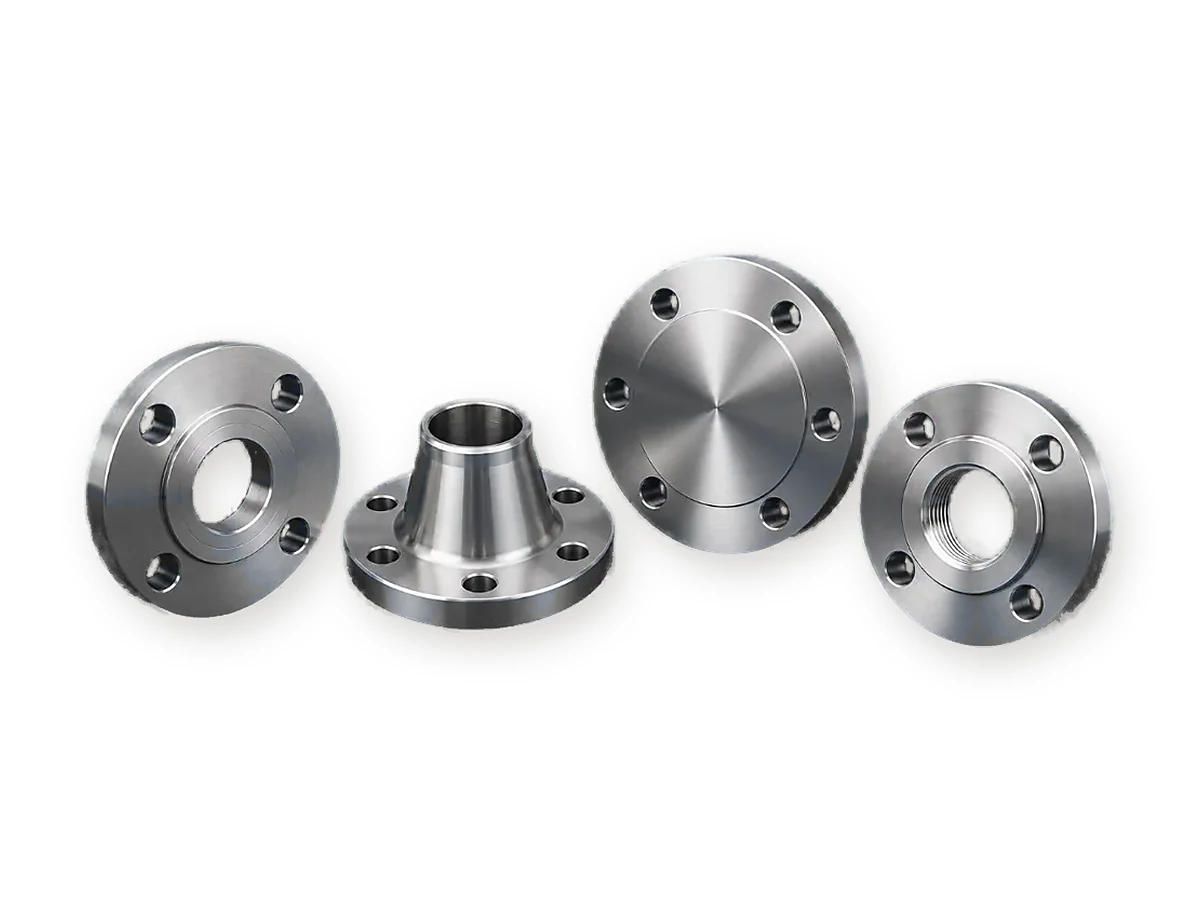
Flanges & Pipe Fittings

Instrumentation & Gas Fittings
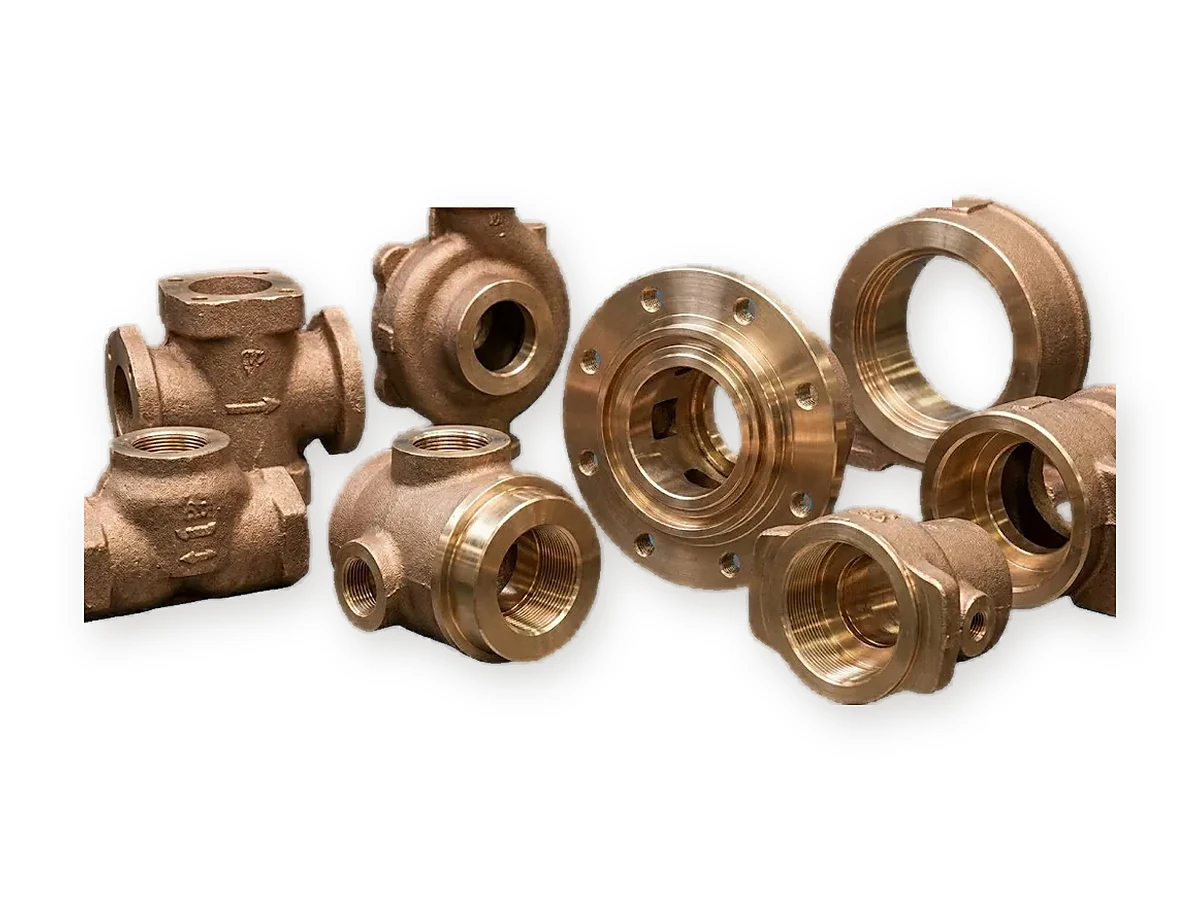
Heat-Exchanger & Tube-Plate Parts
Bronze, gunmetal and stainless gate, globe, check and ball valve bodies, cast pressure-tight and machined.
Indicative price from
$9 /kg
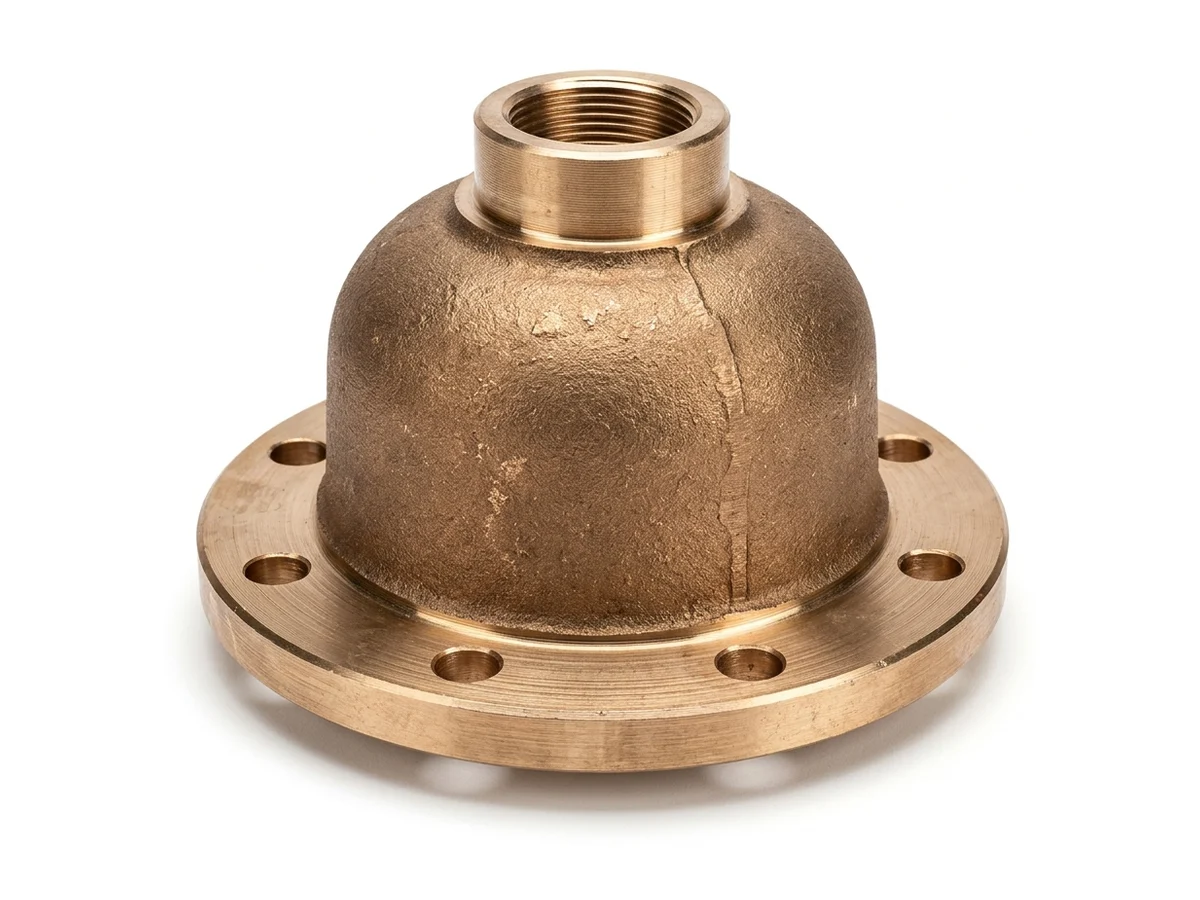 Representative image
Bronze, gunmetal and stainless valve bonnets, cast and machined to fit your valve bodies.
Indicative price from
$9 /kg
 Representative image
Cast valve discs and machined seat rings in bronze, aluminum bronze and stainless for tight shut-off.
Indicative price from
$9 /kg

Cast valve plugs, trim and customer-specific valve parts in copper alloys and stainless.
Indicative price from
$9 /kg
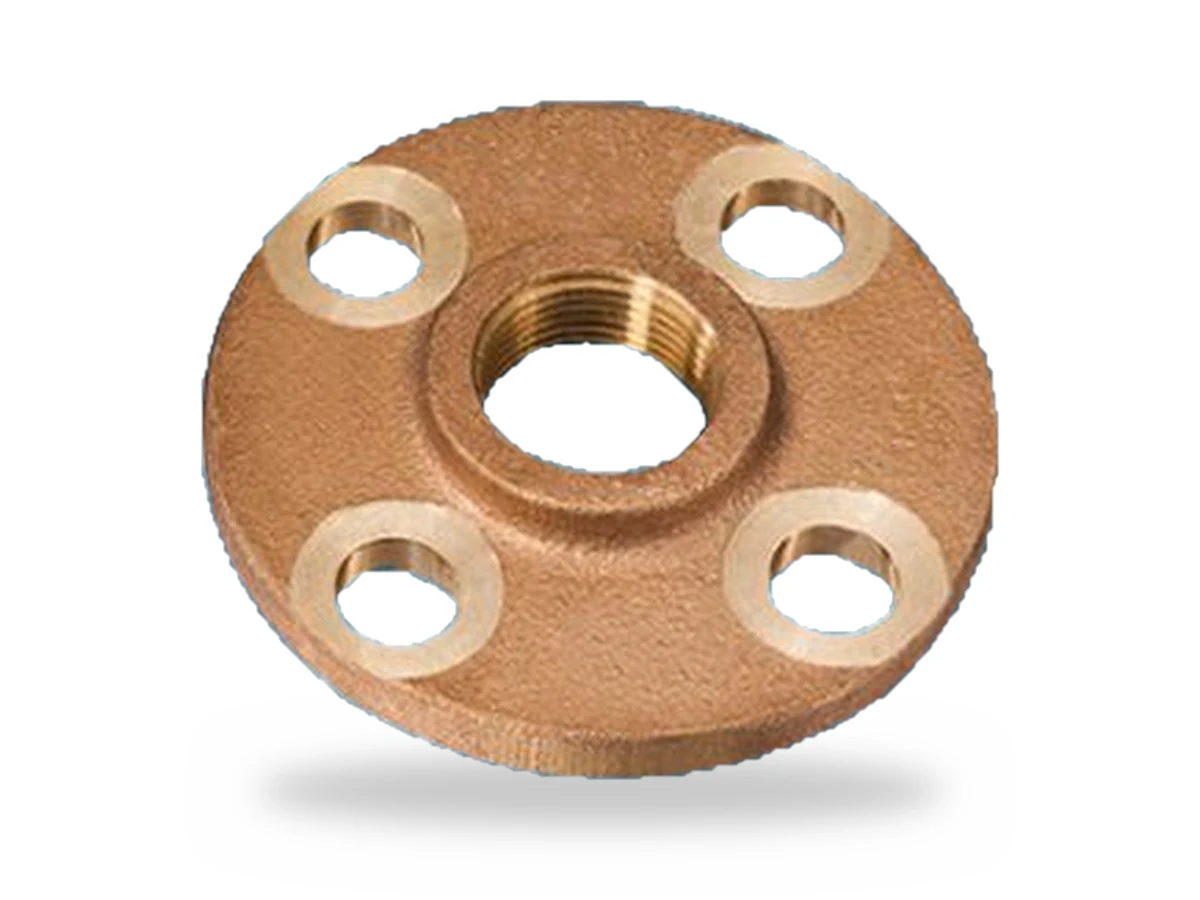
Cast bronze, gunmetal and stainless steel flanges, including pump flanges, threaded, blind or made to your drawing.
Indicative price from
$9 /kg

Cast bronze, gunmetal and stainless steel elbows, tees and reducers, threaded for water, steam, process and marine lines.
Indicative price from
$9 /kg
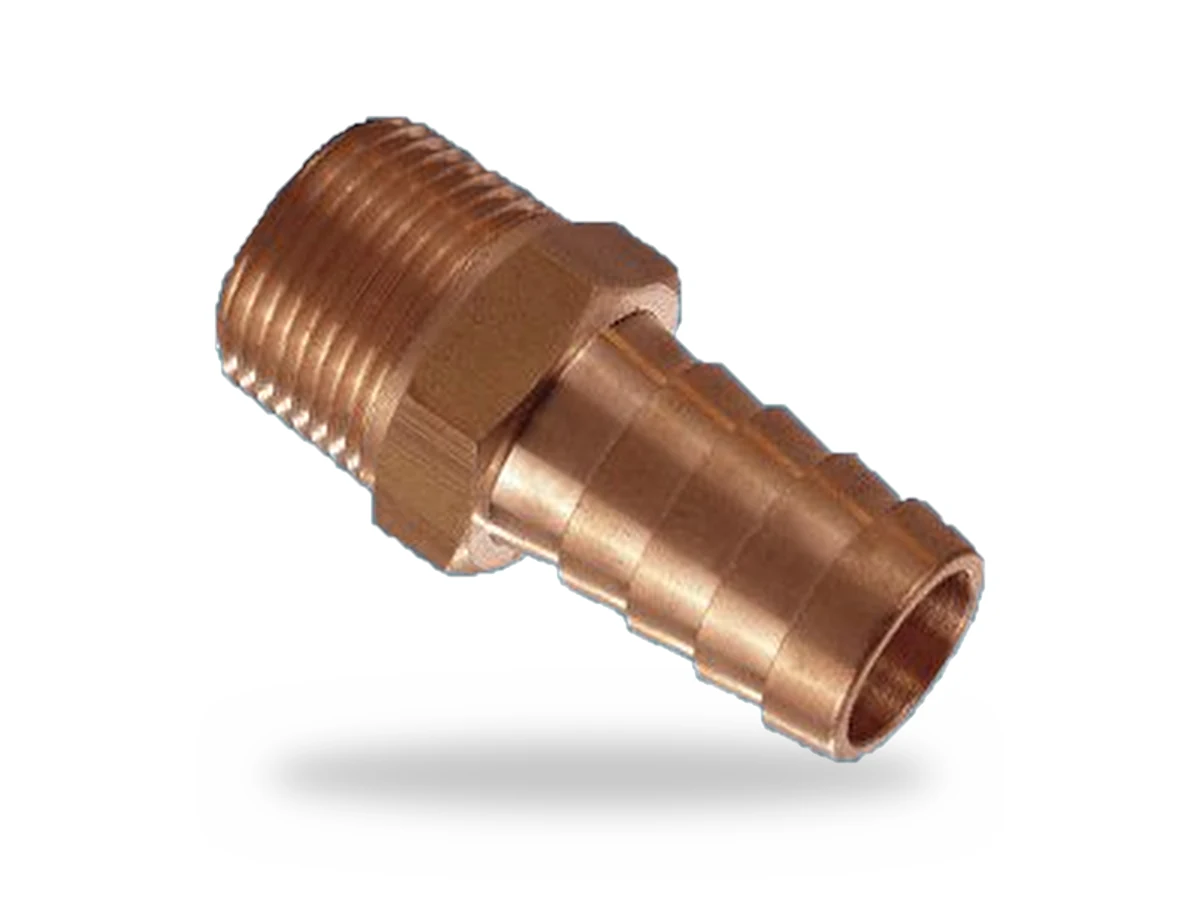
Bronze hose tails, stainless hose barbs and threaded hose nipples, cast and machined to your hose size.
Indicative price from
$9 /kg
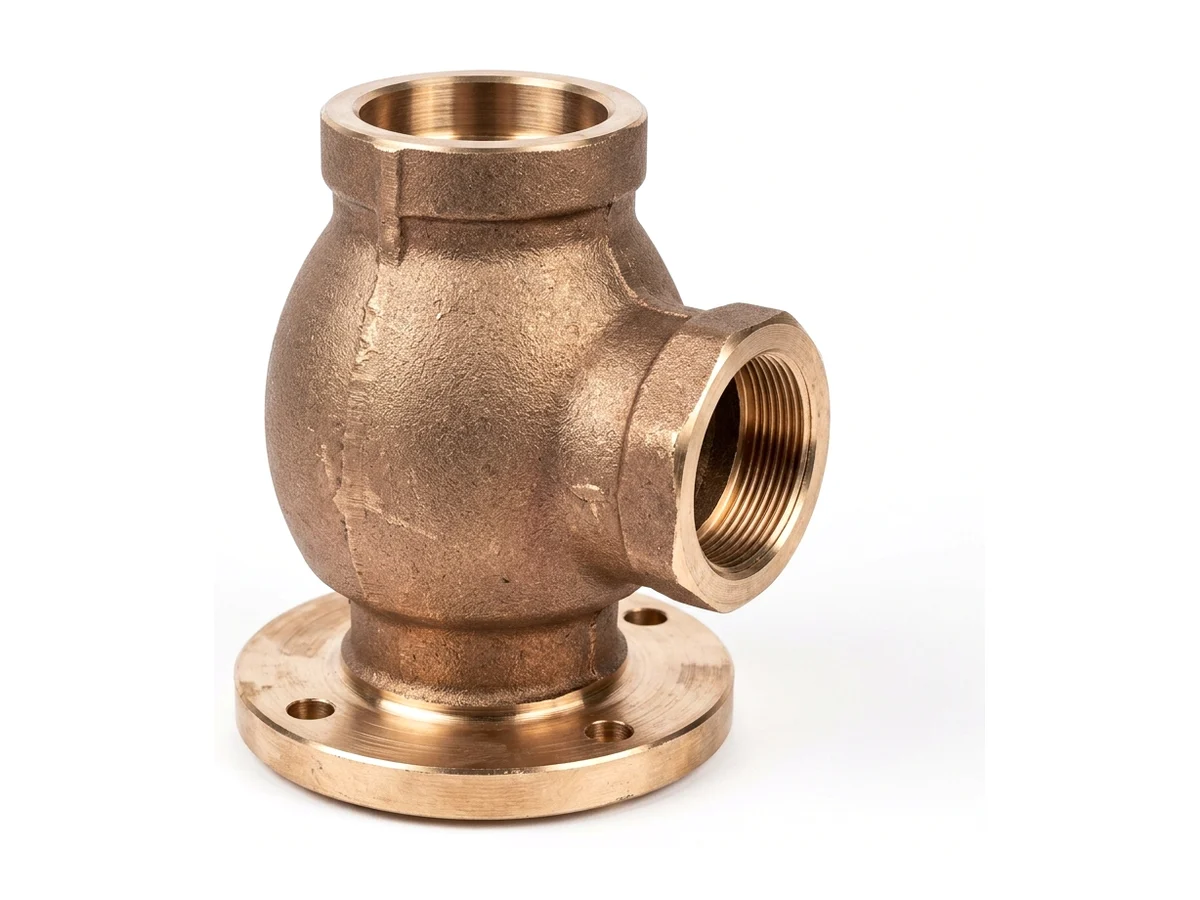 Representative image
Cast gunmetal and stainless hydrant and landing valve bodies for fire protection systems.
Indicative price from
$9 /kg
Alloy × process pages for this industry.
Castings for hvac, refrigeration & industrial cooling parts
Manufacturers of air conditioners, chillers, heat pumps, refrigeration systems, cooling towers, air handling units and industrial process cooling equipment buy brass, bronze, copper and aluminum castings for the parts that carry refrigerant, water and heat: service and ball valves, expansion-valve bodies, solenoid-valve bodies, refrigerant fittings and flare nuts, distributors, receiver and accumulator fittings, compressor parts, water-box covers, pump volutes and impellers for chilled and condenser water, cooling-tower nozzles and fittings, and copper and brass parts for heat exchangers. These parts must be leak tight against high-pressure refrigerants, compatible with the refrigerants and oils used, and corrosion resistant in water circuits.
This guide explains which castings the HVAC, refrigeration and industrial cooling sector buys from a non-ferrous foundry, the alloys used and why, refrigerant and water-circuit requirements, standards, inspection and documents, design tips and how to order. Conex Casting Foundry in Jamnagar, Gujarat, casts brass, bronze, copper, aluminum and stainless steel by sand, gravity die, pressure die and investment casting, machines parts in-house on CNC lines, and exports to more than 34 countries.
The refrigerant circuit runs at high pressure, especially with modern refrigerants such as R410A, R32 and CO2 (R744). Brass is the dominant material for service valves (two-way and three-way), ball valves, Schrader valve bodies, flare and braze fittings, flare nuts, distributors, sight-glass bodies, filter-drier shells and fittings, and expansion-valve and solenoid-valve bodies. Brass is chosen because it machines precisely, brazes well to copper tube, and is compatible with refrigerants and oils. Forged brass is preferred for high-pressure parts because it is dense and free of porosity; precision-machined bar and gravity die castings are used for many components.
Reciprocating, rotary, scroll and screw compressors use bronze bushes and thrust washers, aluminum castings for housings, pistons and connecting rods in some designs, and brass fittings for service ports and oil lines.
Chilled-water and condenser-water systems use bronze and gunmetal valves, strainers and pump parts, bronze or cast-iron water boxes, and copper or copper-nickel heat-exchanger tubes and tube plates. Cooling towers use brass, bronze and plastic spray nozzles, distribution fittings and valves. Open cooling-tower water is oxygenated and often treated with chemicals, making bronze and stainless better choices than plain iron.
Air handling units, fan-coil units and ventilation systems use aluminum castings for fan hubs, motor housings and damper parts, and brass valves and fittings for coil connections.
Industrial chillers, oil coolers, plate heat exchangers and process cooling skids for plastics, pharmaceuticals, food and data centers use brass, bronze and stainless valves, manifolds and pump parts.
| Part | Typical alloys | Process |
|---|---|---|
| Refrigerant service and ball valves | Forging brass CW617N / C37700, free-cutting brass CW614N / C36000 | Hot forged, machined, brazed, leak tested |
| Flare fittings, flare nuts, distributors | Brass CW614N / CW617N, C36000 / C37700 | Forged or machined from bar |
| Expansion and solenoid valve bodies | Brass CW617N, stainless for CO2 and ammonia systems | Forged or cast, machined |
| Ammonia refrigeration valves and fittings | Steel and stainless steel CF8M (copper alloys not used) | Cast or forged, machined |
| Compressor bushes and thrust washers | Leaded tin bronze C93200, aluminum bronze | Continuous cast, machined |
| Chilled and condenser water valves, strainers | Gunmetal C83600, bronze, DZR brass, CF8M | Sand or gravity die cast, machined |
| Circulating pump volutes and impellers | Bronze C83600 / C90300, CF8M | Sand or investment cast, machined, balanced |
| Heat-exchanger tube plates and water boxes | Naval brass, aluminum brass, copper-nickel 90/10 and 70/30, bronze | Sand cast or plate, machined |
| Cooling-tower nozzles and fittings | Brass, bronze, CF8M | Cast or machined |
| Fan hubs, motor housings, damper parts | Aluminum LM6 / LM25 / ADC12 | Gravity or pressure die cast |
Brass and copper are compatible with fluorinated refrigerants (HFCs, HFOs and blends such as R134a, R410A, R32, R1234yf) and with hydrocarbon refrigerants (R290, R600a), together with their oils. Two major exceptions apply:
Refrigerant leaks waste energy, damage the environment and cause system failure. Refrigerant parts therefore need:
Chilled water in closed loops is relatively benign if properly treated. Condenser water in open cooling-tower systems is oxygenated, concentrated by evaporation and chemically treated, so corrosion and scaling are greater risks. Bronze, gunmetal, DZR brass and stainless steel resist these conditions far better than plain iron or ordinary brass. In heat exchangers, aluminum brass, naval brass and copper-nickel tube plates are chosen to match the tubes and the water quality; seawater-cooled condensers use copper-nickel or titanium.
Refrigeration and HVAC parts are produced by three main routes, each suited to particular parts:
Choosing the right route for each part balances cost, pressure integrity and volume. Conex offers casting and CNC machining in-house in Jamnagar, so the route can be chosen to suit each component.
The HVAC and refrigeration industry is moving away from high-global-warming-potential refrigerants under the Kigali Amendment, the EU F-gas Regulation and national rules. New systems use R32, R454B, R290 (propane), R744 (CO2) and HFO blends. This transition affects component design: R32 and R410A run at higher pressures than older refrigerants; R290 is flammable and requires leak-tight, spark-safe designs with small charges; R744 operates at very high pressure. Valve and fitting makers updating their products for new refrigerants need parts tested for the new working pressures and materials confirmed for compatibility. Brass remains the main material for most of these systems, apart from ammonia and some CO2 applications.
Data centers, telecom shelters and electronics manufacturing need precision cooling with chilled water, direct expansion and increasingly liquid cooling of servers. These systems use brass and stainless valves, quick couplings, manifolds and pump parts that must be leak free, clean and reliable, since a leak near electronics can be costly. Stainless and nickel-plated brass are common for liquid-cooling fittings.
Conex works under an ISO 9001:2015 quality system and supplies material test certificates and inspection reports with orders.
HVAC and refrigeration production runs at high volumes with steady schedules. Valve and fitting makers need consistent parts delivered to production plans, with batch traceability. Forging, gravity die casting and CNC machining from bar support these volumes. Annual agreements with scheduled releases, safety stock and retained tooling help keep production lines supplied. Conex supplies customers in India and more than 34 countries.
Questions buyers ask
Most often Brass CW617N, DZR Brass, Semi-Red Brass C84400, ETP Copper C11000 — chosen for strength, wear, conductivity and corrosion resistance in hvac, refrigeration & industrial cooling parts service. We confirm the grade against your drawing and standard.
Yes. Send your drawing (DWG, PDF, STEP) or a sample photo with quantity and alloy standard; we cast, machine in-house on CNC and inspect before despatch.
Yes. Brass is widely used for valves and fittings in R410A, R32 and other fluorinated refrigerant systems, when designed and tested for the working pressure.
No. Ammonia attacks copper alloys. Use steel or stainless steel.
Forged and machined brass valve bodies, fittings and flare nuts can be supplied to drawing, leak tested and capped.
Parts can be pressure or leak tested to the specified method and pressure, with reports.
Bronze, gunmetal, DZR brass or stainless steel, which resist oxygenated and treated cooling water.
Tube plates and water-box parts in naval brass, aluminum brass, copper-nickel and bronze can be supplied machined to drawing.
Yes, refrigerant parts can be cleaned, dried and capped to protect internal cleanliness during shipping.
Aluminum fan hubs, motor housings and covers can be gravity or pressure die cast and machined.
Yes, brass is compatible with hydrocarbon refrigerants. Because R290 is flammable, parts must be fully leak tight and tested, and joints designed to the system's safety standard.
Forging gives the densest, most leak-resistant body and suits high pressures and volumes. Casting suits larger or more complex bodies and lower volumes, with pressure testing on every part.
Brass and stainless fittings, manifolds and coupling bodies for liquid cooling can be machined to drawing, cleaned and leak tested.
Bronze and stainless volutes, impellers and wear rings for chilled-water and condenser-water pumps can be cast, machined and balanced to drawing.
Send your drawing, get a quotation.
DWG, PDF, STEP or a sample photo — with quantity and destination port.

Conex Export Desk
Talk to our export team
Working on a new casting? Tell us the part and we'll connect you with the right engineer today.