

Transformer Bushing Stud Connectors
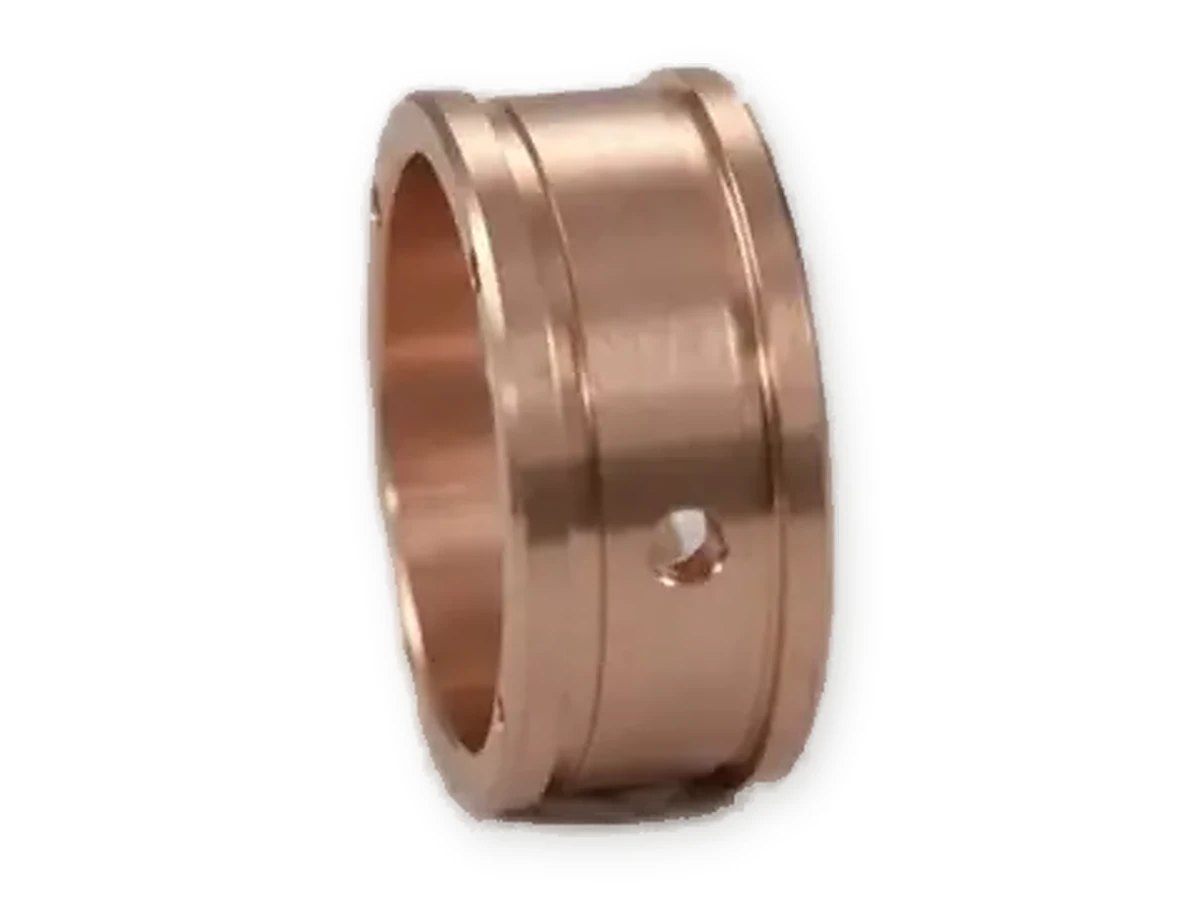
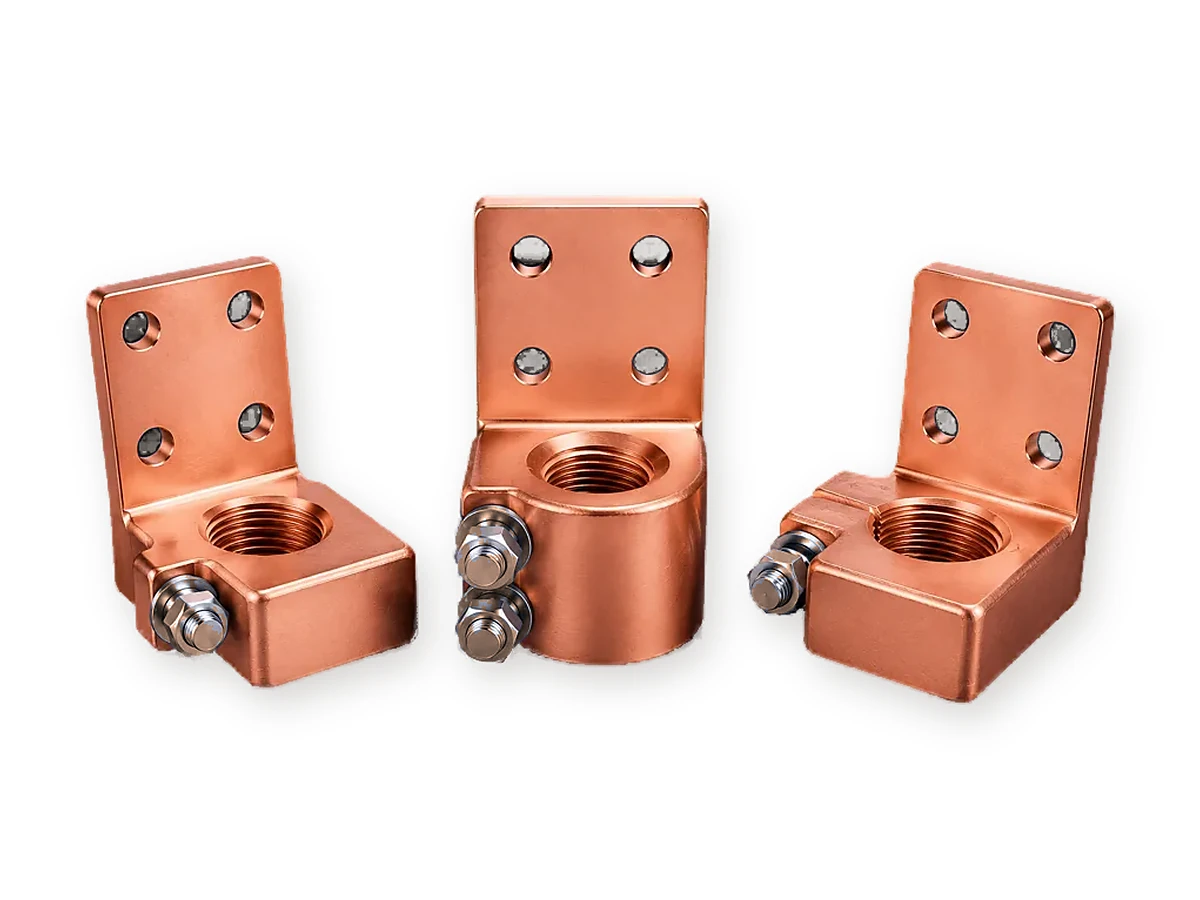
Copper and bronze stud connectors that join transformer bushing studs to cables and busbars, cast and threaded to your stud size.
Indicative price from
$9 /kg
Industry · Industrial & Manufacturing
Guides, nuts, worm wheels, bushes and machined castings for machine tools and general engineering.
Products for machine tools & general engineering
Copper and bronze stud connectors that join transformer bushing studs to cables and busbars, cast and threaded to your stud size.
Indicative price from
$9 /kg
 Representative image
Cast bushing caps and threaded terminal pads in copper alloy and bronze for transformer bushings.
Indicative price from
$9 /kg
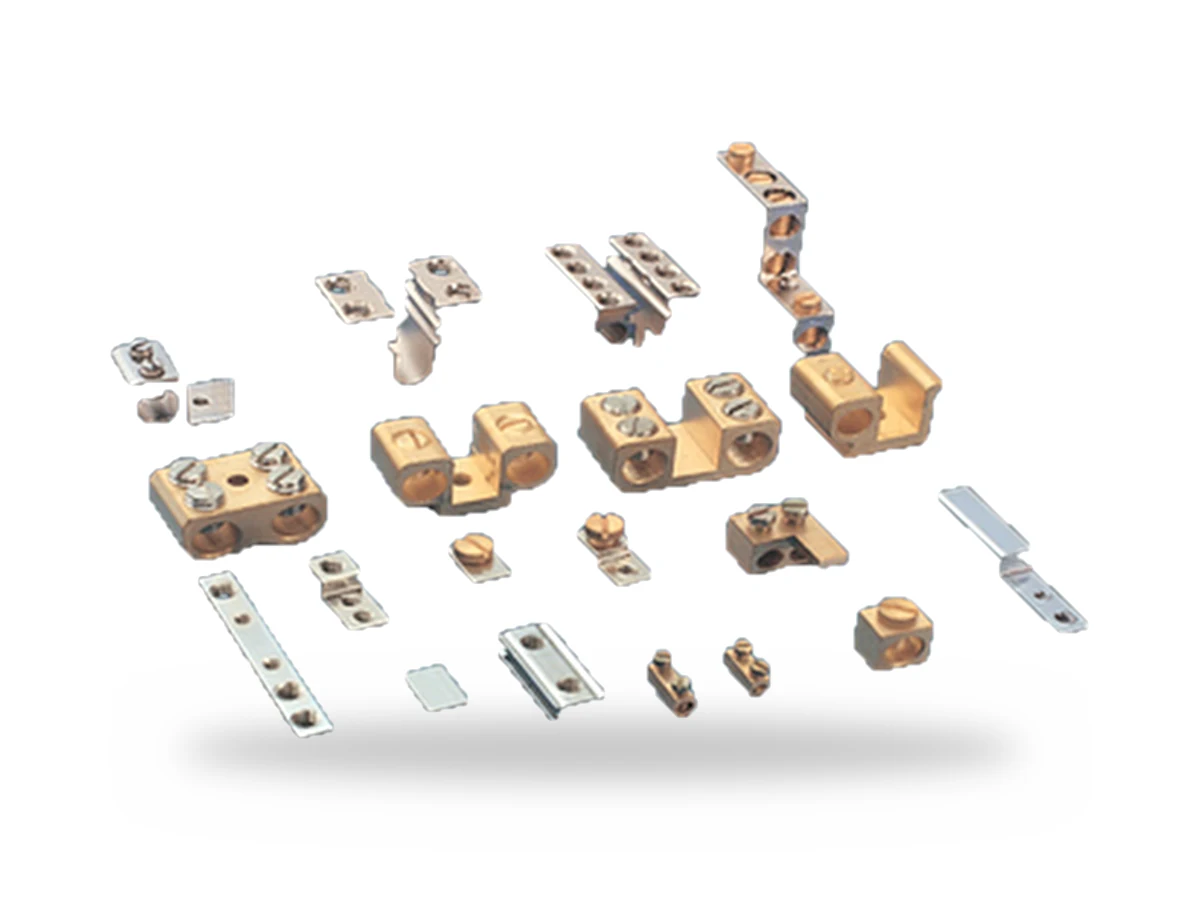
Cast terminal supports and qualified contact carriers in copper alloys for switchgear and electrical equipment.
Indicative price from
$9 /kg
 Representative image
Bronze and cast-alloy pump wear rings that keep impeller clearance tight and pump efficiency high.
Indicative price from
$13 /kg
 Representative image
Cast bronze stern-tube and shaft-support bearing housings for propeller shafts.
Indicative price from
$11 /kg
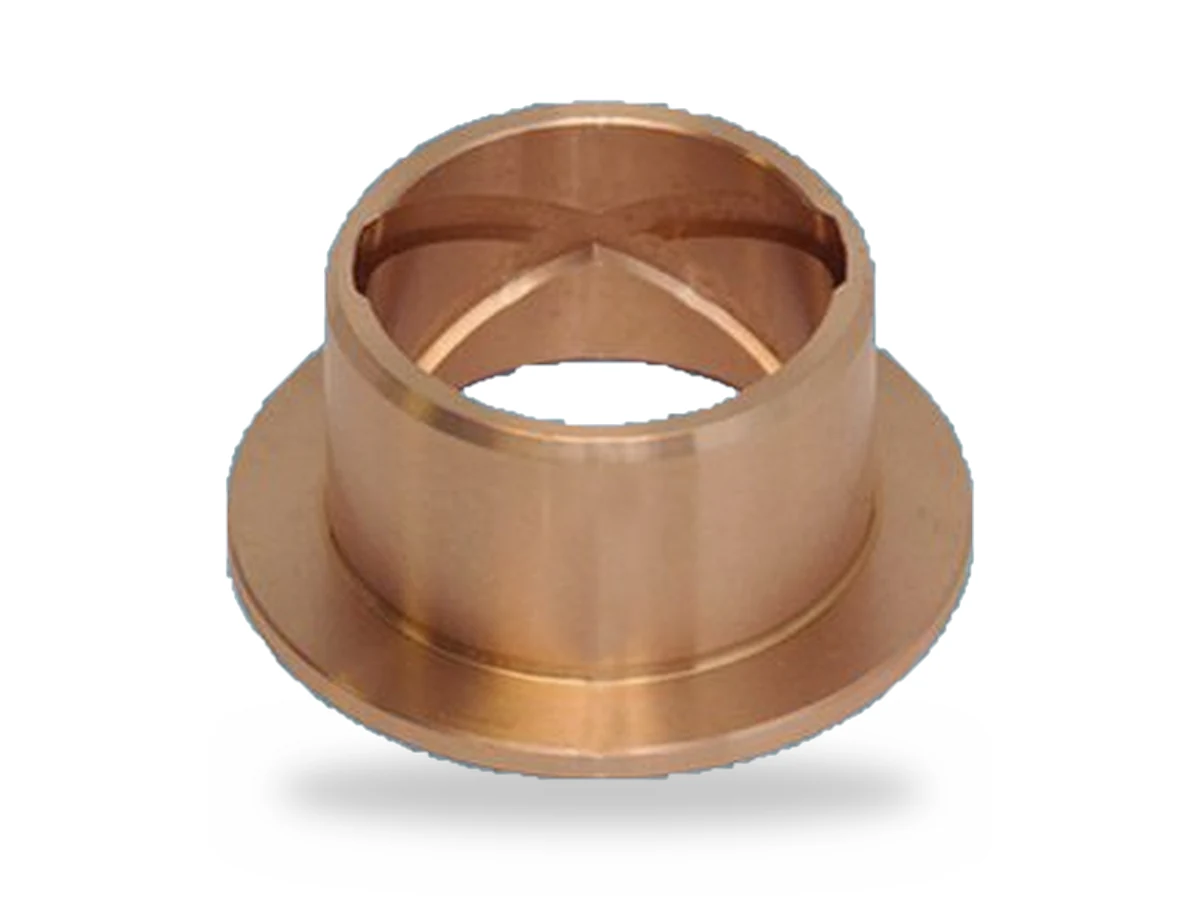
Cast and machined bronze bushings and bearings: plain, flanged and grooved bushes, finished bearing bushes and split shells.
Indicative price from
$11 /kg

Centrifugally cast bronze sleeves and hollow cylindrical blanks for machining.
Indicative price from
$11 /kg
 Representative image
Bronze wear plates and machined cast guide blocks for sliding surfaces.
Indicative price from
$11 /kg
Alloy × process pages for this industry.
Castings for machine tools & general engineering
Machine-tool builders and general engineering companies buy non-ferrous castings for the precision parts that guide, drive and support motion: lead-screw and feed nuts, worm wheels, spindle and slide bushes, gib strips and wear plates, gearbox bushes, coolant-pump parts, hydraulic and lubrication components, and a wide range of custom brackets, housings and machined parts. In a lathe, milling machine, press, grinder or special-purpose machine, these parts decide accuracy, smoothness and how long the machine holds its tolerances.
This guide explains which castings the machine-tool and general engineering sector buys from a non-ferrous foundry, the alloys used, standards and quality requirements, design tips for nuts, bushes and wear parts, and how to order. Conex Casting Foundry in Jamnagar, Gujarat, casts copper-base, aluminum and stainless alloys by sand, shell, gravity die, centrifugal, continuous and investment casting, machines them in-house on CNC equipment, and exports to more than 34 countries.
Many machines still use trapezoidal (Acme) lead screws with bronze nuts for feed and positioning, especially presses, manual and conventional machines, lifting tables, valve actuators and special machines. Bronze is chosen because it runs smoothly against a steel screw, wears predictably, and protects the more expensive screw. Ball screws have replaced bronze nuts in many CNC machines, but bronze nuts remain common where self-locking, shock resistance or low cost matter.
Rotary tables, dividing heads, indexing units and gearboxes use phosphor bronze worm wheels running with hardened steel worms. Accuracy of the wheel, consistency of material and freedom from porosity in the teeth all affect indexing precision and life.
Gib strips, slide pads and way wipers in bronze provide a sliding surface against cast-iron or steel ways. Bronze wear plates are used in presses and forming machines, often with solid lubricant plugs.
Bronze bushes support secondary spindles, quills, levers, gear shafts and pivot points. Leaded bronze and tin bronze are used depending on speed and load.
Coolant pumps use bronze or stainless impellers; hydraulic units use bronze and brass valve parts and fittings; centralized lubrication systems use brass distributors, junction blocks and fittings.
Beyond machine tools, general engineering firms buy custom castings for brackets, housings, covers, handwheels, levers, pulleys, couplings and custom components, in brass, bronze, aluminum and stainless, often machined complete.
| Part | Typical alloys | Process |
|---|---|---|
| Lead-screw and feed nuts | Phosphor bronze C90700 / CC481K, leaded tin bronze C93200, aluminum bronze C95400 for heavy presses | Continuous or centrifugal cast, machined, threaded |
| Worm wheels | Phosphor bronze C90700 / PB1, nickel tin bronze C91700 | Centrifugal cast, machined |
| Gib strips and slide pads | Leaded tin bronze C93200, aluminum bronze, graphite-plugged bronze | Continuous or sand cast, machined, ground |
| Spindle and shaft bushes | Leaded tin bronze C93200 / C93700, tin bronze C90500 | Continuous cast, machined |
| Press wear plates | Aluminum bronze C95400 / C95500, bronze with solid lubricant | Sand or continuous cast, machined |
| Coolant pump impellers | Gunmetal C83600, CF8M, aluminum alloys | Sand or investment cast |
| Lubrication distributors and fittings | Free-cutting brass C36000 / CW614N, forging brass CW617N | Bar or forged, machined |
| Handwheels, levers, housings, brackets | Aluminum LM6 / A356, LM25, brass, CF8 / CF8M | Gravity die, sand or investment cast |
A bronze nut seems simple, but its life depends on several choices:
For rotary tables and dividing heads, the worm wheel's accuracy determines indexing precision. Centrifugally cast phosphor bronze blanks give dense, uniform material for teeth. Buyers usually supply the gear data — module or diametral pitch, number of teeth, lead angle, hand, center distance and accuracy grade — and specify whether the wheel is supplied as a blank, rim or finished gear. Nickel tin bronze offers higher strength where needed.
Bronze sliding parts against cast iron or steel work best with:
Not every engineering casting is a bearing. Aluminum castings in LM6 / A413, LM25 / A356 and similar grades are widely used for housings, covers, handwheels and brackets because they are light, easy to machine and can be gravity die cast economically in medium volumes. Stainless castings in CF8 and CF8M serve food, pharmaceutical and corrosive environments. Brass and bronze castings suit decorative, electrical and corrosion-resistant parts.
Machine-tool and general engineering orders range from single replacement parts to steady batches for production machines. Continuous-cast bronze bar and tube allows nuts and bushes to be machined quickly in any size without new patterns. Sand, shell and gravity die casting suit shaped parts. In-house CNC machining delivers finished, ready-to-fit components, so the buyer does not need to manage a separate machine shop.
Mechanical and hydraulic presses are among the heaviest users of bronze in general engineering. The slide (ram) runs in gibs lined with bronze wear plates; the connecting rods and eccentric shafts of mechanical presses turn in large bronze bushes; the screw of a screw press runs in a large bronze nut that takes the full forming force. Press bronzes face high pressure, shock with every stroke and sometimes intermittent lubrication.
Press parts are often large and need careful casting practice to avoid porosity in heavily loaded zones. Ultrasonic testing of nuts and large bushes is a sensible precaution on high-tonnage presses.
Many workshops run older machines whose original makers no longer exist or no longer supply spares. Bronze nuts, worm wheels, bushes and gib strips are the parts that wear out first. Reverse engineering from a worn sample, with careful measurement and correction for wear, lets these machines keep running at a fraction of the cost of replacement. For rebuilds, it is good practice to:
For machine-tool builders, the main value of a casting supplier is consistency: every nut, bush and gib strip must match the last one so assembly goes smoothly and machines meet their accuracy tests. That depends on controlled chemistry, stable melting and casting practice, and CNC machining with proper gauging. Conex controls all three in-house in Jamnagar, under an ISO 9001:2015 quality system, and supplies finished parts with inspection reports and material test certificates to customers in India and more than 34 countries.
Questions buyers ask
Most often Brass CW617N, Gunmetal LG2, Phosphor Bronze PB2, Bearing Bronze SAE 660 — chosen for strength, wear, conductivity and corrosion resistance in machine tools & general engineering service. We confirm the grade against your drawing and standard.
Yes. Send your drawing (DWG, PDF, STEP) or a sample photo with quantity and alloy standard; we cast, machine in-house on CNC and inspect before despatch.
Phosphor bronze (C90700 / PB1) for most machines; leaded tin bronze where lubrication is poor; aluminum bronze for very heavy presses.
Yes, nuts can be supplied fully threaded to ISO trapezoidal, DIN 103 or Acme forms.
Phosphor bronze worm-wheel blanks and rims can be supplied rough or machined; gear cutting can be arranged to drawing.
Yes, from continuous-cast stock or from a sample for reverse engineering.
Aluminum housings and covers can be sand or gravity die cast and machined.
Yes, material test certificates (EN 10204 3.1 on request) and dimensional reports.
Yes. Nuts can be supplied split with adjustment slots, or as a matched pair for preloading, to your design.
Phosphor bronze is harder and more wear resistant and suits higher loads with good lubrication. Leaded bronze is softer and more forgiving of poor lubrication, misalignment and dirt, and machines more easily.
Continuous-cast bronze bar and tube in common bearing alloys can be supplied in lengths for in-house machining.
Bronze wear plates and bushes can be supplied with drilled pockets for solid lubricant plugs, to drawing.
It depends on load, speed, lubrication and the condition of the screw. With a hardened, smooth screw and regular lubrication, a phosphor bronze nut can run for many years; a dry or damaged screw will wear it out much faster.
Yes. CF8 and CF8M stainless castings can be investment or sand cast and machined, with a surface finish suited to hygienic equipment.
Send your drawing, get a quotation.
DWG, PDF, STEP or a sample photo — with quantity and destination port.
Conex Export Desk
Talk to our export team
Working on a new casting? Tell us the part and we'll connect you with the right engineer today.