
Cast Flanges
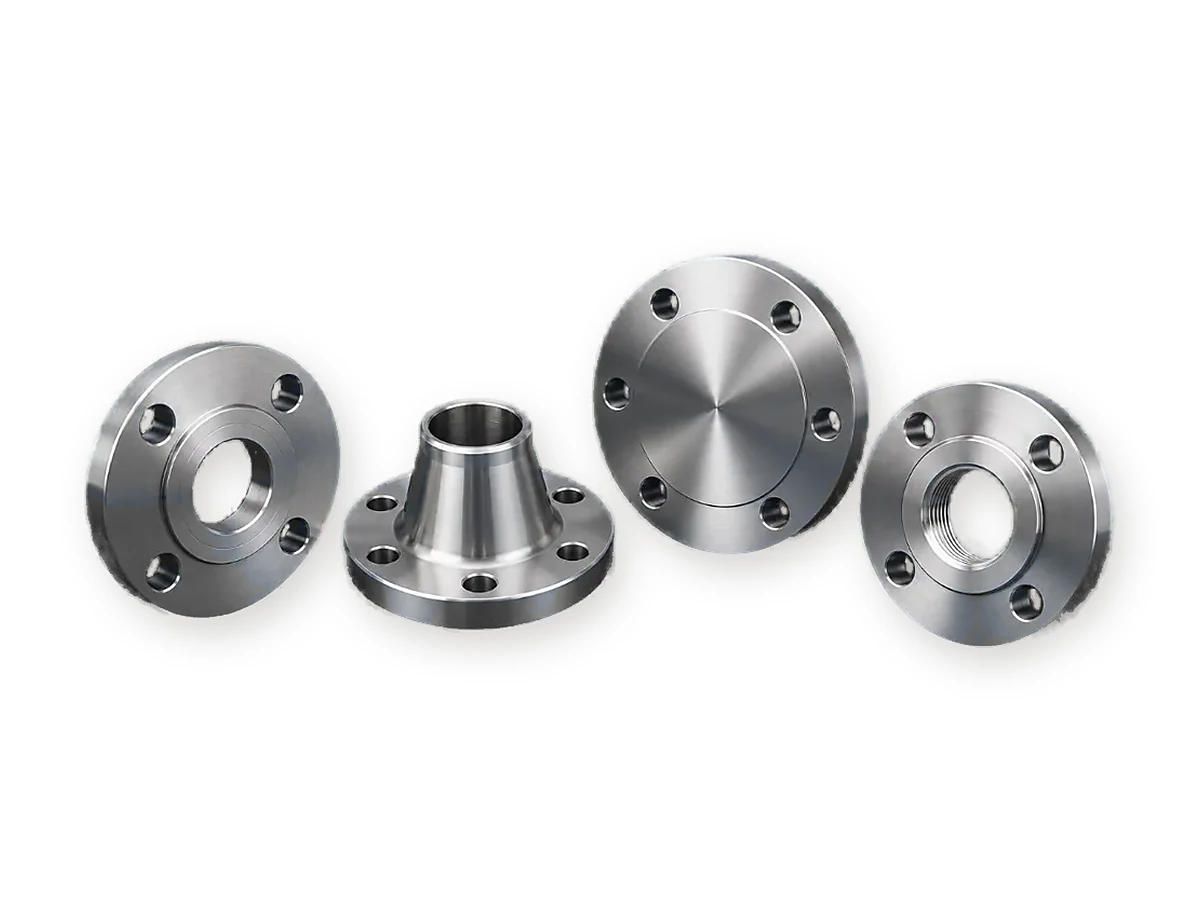
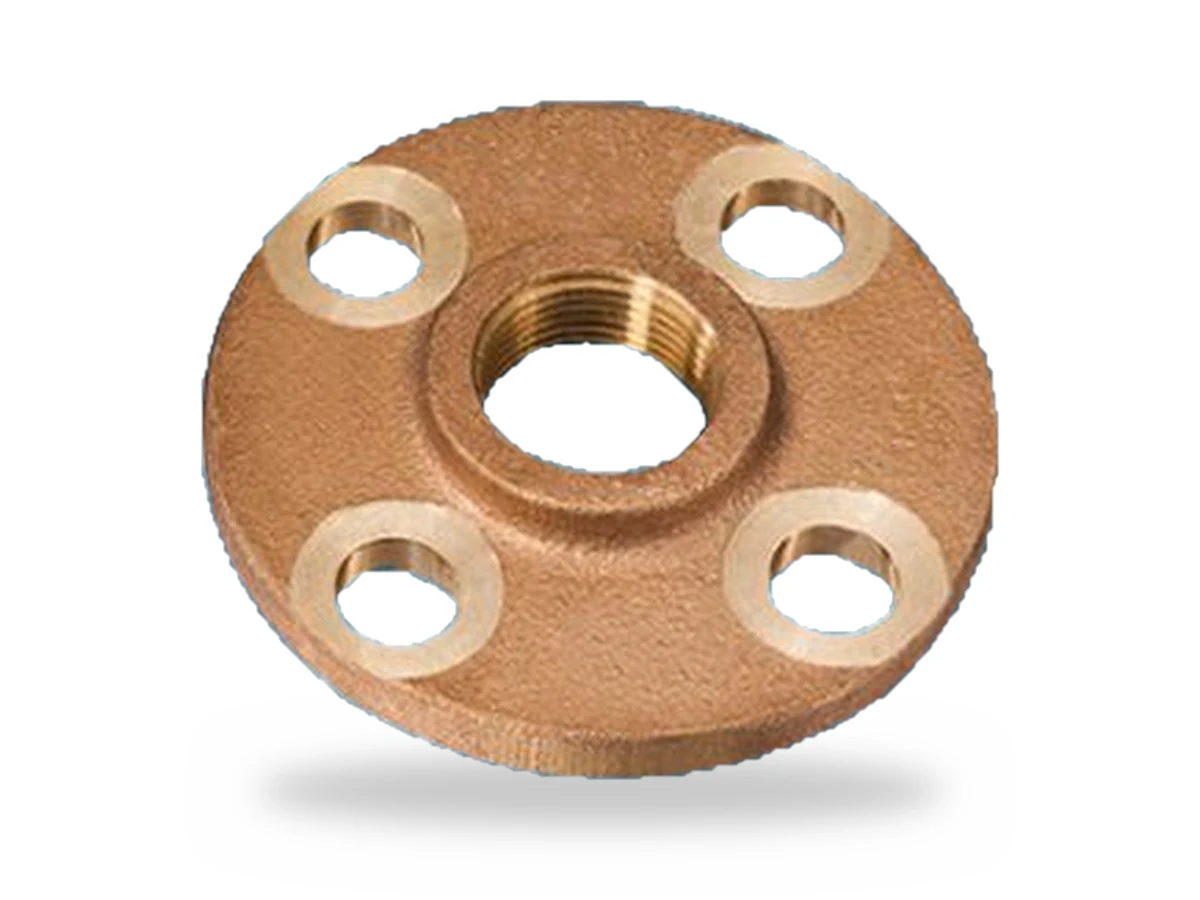
Cast bronze, gunmetal and stainless steel flanges, including pump flanges, threaded, blind or made to your drawing.
Indicative price from
$9 /kg
Industry · Buildings & Infrastructure
Threaded elbows, tees, sockets, nipples and unions in brass, gunmetal and red brass.
Products for threaded pipe fittings
Cast bronze, gunmetal and stainless steel flanges, including pump flanges, threaded, blind or made to your drawing.
Indicative price from
$9 /kg

Cast bronze, gunmetal and stainless steel elbows, tees and reducers, threaded for water, steam, process and marine lines.
Indicative price from
$9 /kg
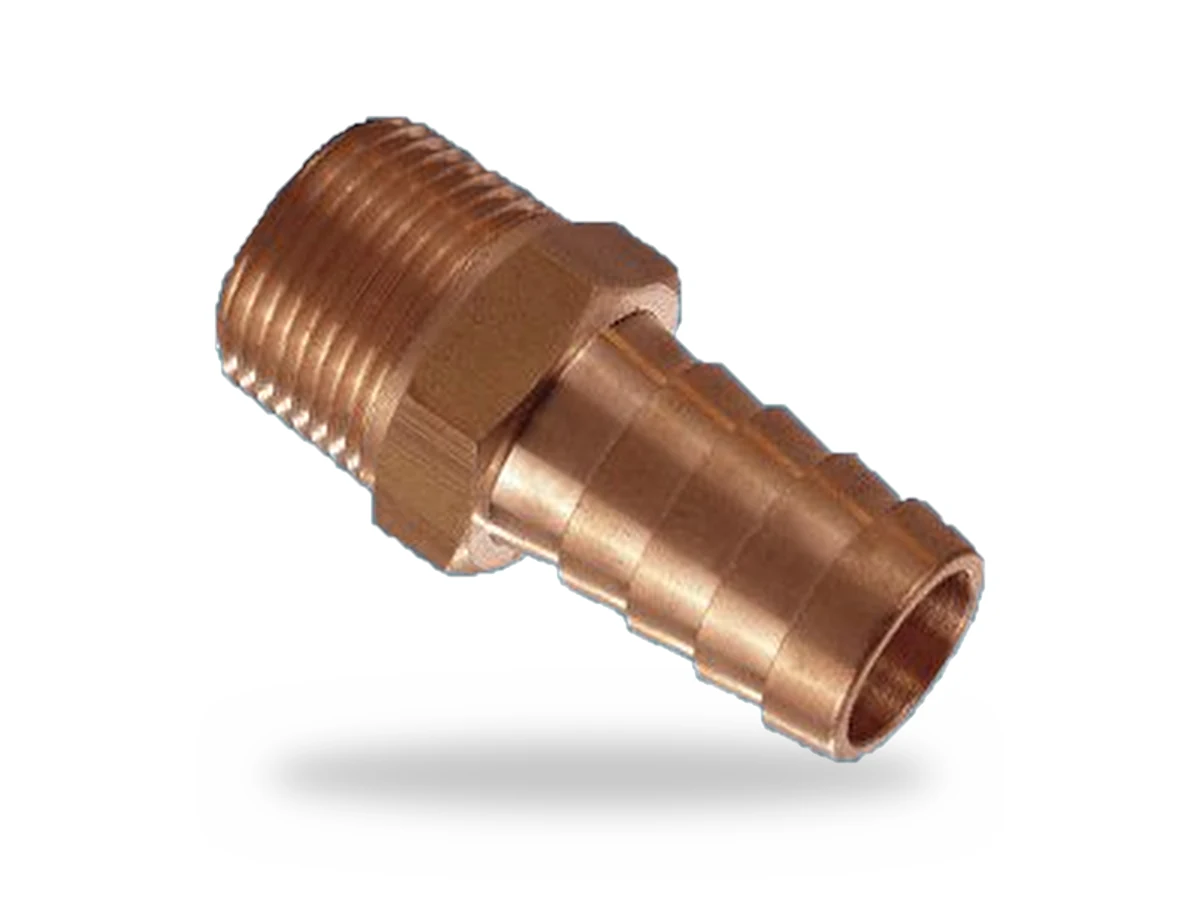
Bronze hose tails, stainless hose barbs and threaded hose nipples, cast and machined to your hose size.
Indicative price from
$9 /kg
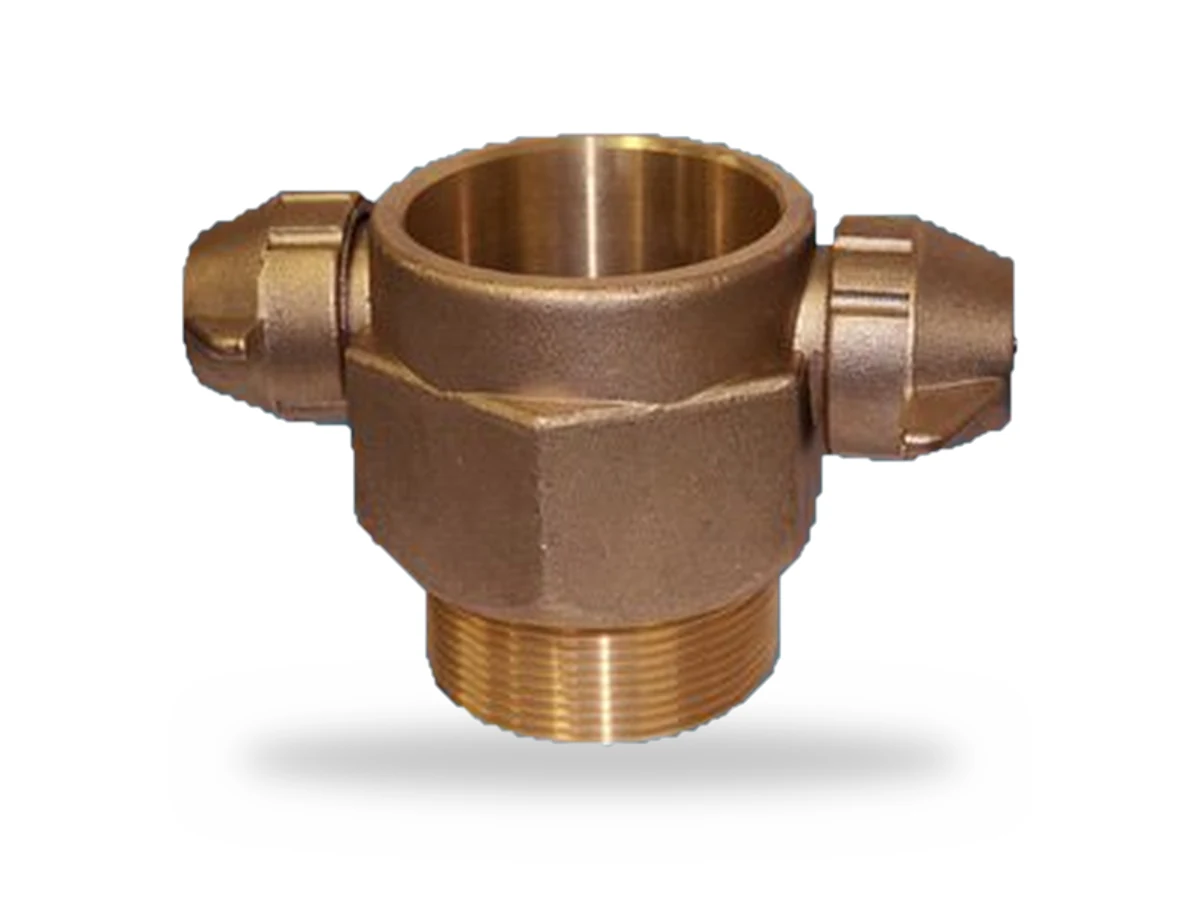
Cast gunmetal, brass and aluminum fire hose couplings and adapters to IS, BS, Storz and instantaneous patterns.
Indicative price from
$9 /kg
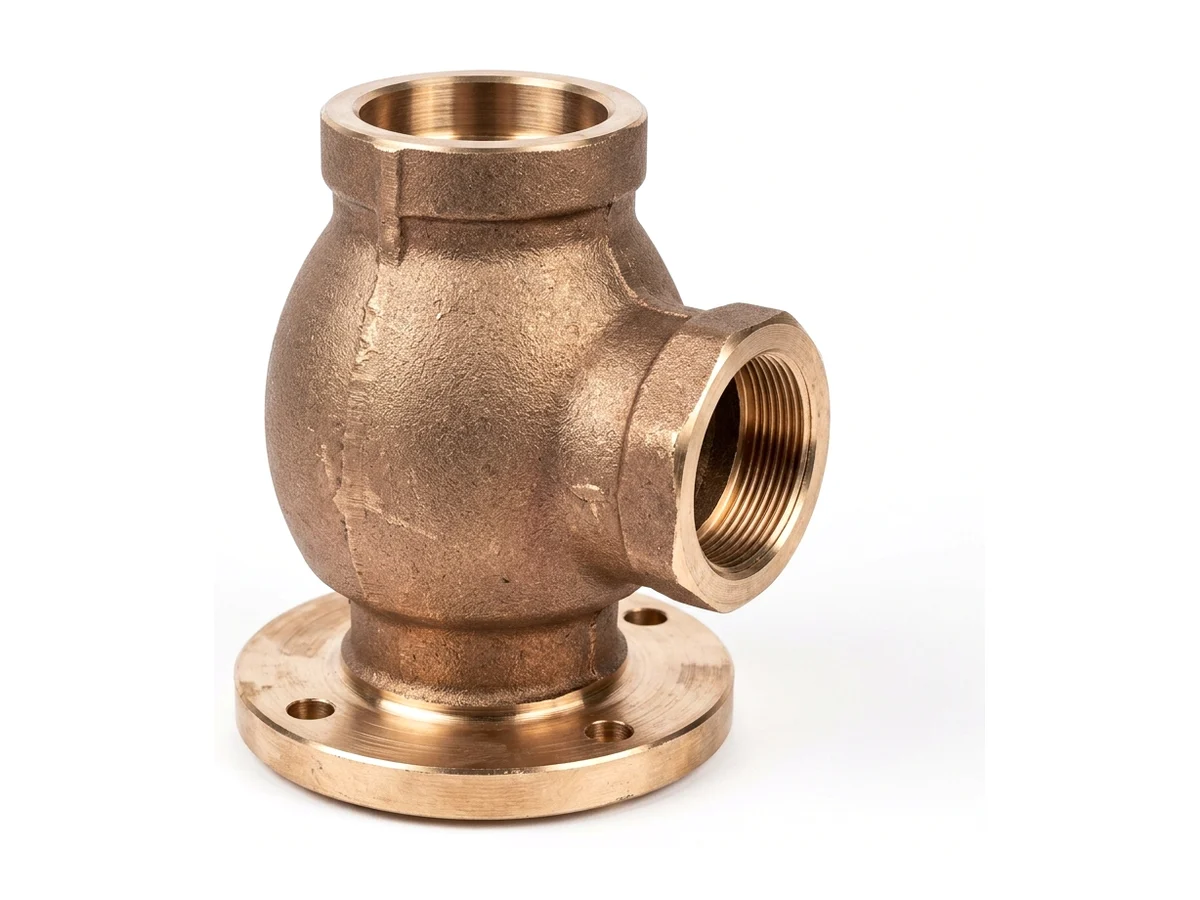 Representative image
Cast gunmetal and stainless hydrant and landing valve bodies for fire protection systems.
Indicative price from
$9 /kg
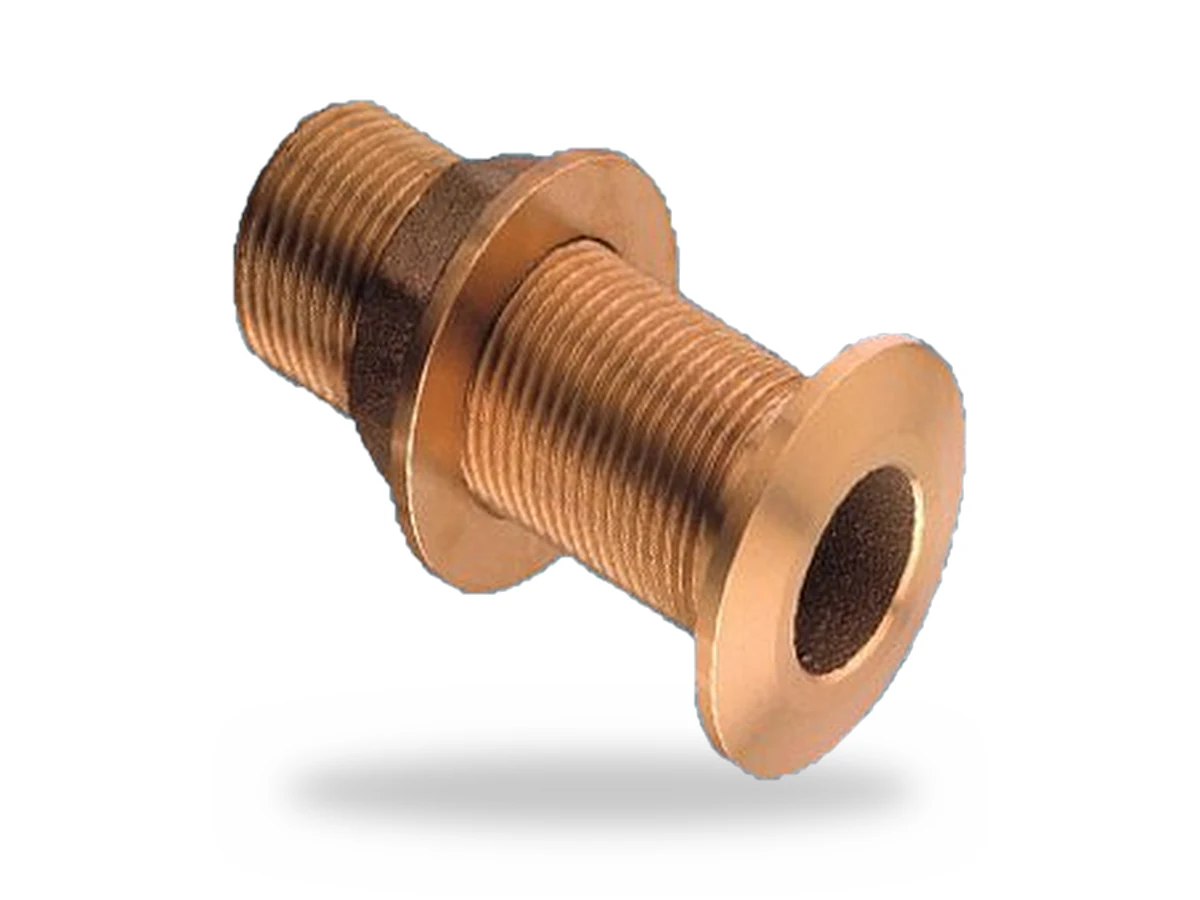
Cast bronze through-hull and skin fittings for seawater inlets and outlets below and above the waterline.
Indicative price from
$9 /kg
Alloy × process pages for this industry.
Castings for threaded pipe fittings
Distributors, plumbing and industrial-piping contractors, valve makers and equipment builders buy cast and forged threaded pipe fittings in bronze, gunmetal, brass and stainless steel: elbows (90° and 45°), street elbows, reducing elbows, tees, reducing tees, crosses, couplings and sockets, reducers and bushings, hexagon nipples, unions, caps, plugs, Y-strainers and adaptors. Threaded fittings join pipes up to around 4 inches (DN 100) without welding, so they are used in water, steam, air, gas, oil, fire, marine and process lines across buildings, plants and ships. They must hold pressure, seal reliably at the thread and resist corrosion for the life of the system.
This guide explains the types of threaded pipe fittings a non-ferrous foundry supplies, the alloys used and why, thread standards, pressure classes, inspection and documents, design and installation tips, and how to order. Conex Casting Foundry in Jamnagar, Gujarat, casts bronze, gunmetal, brass and stainless steel fittings by sand, gravity die and investment casting, machines and threads them in-house on CNC lines, and exports to more than 34 countries.
90° and 45° elbows change pipe direction; street elbows have one male and one female end for compact connections; reducing elbows change size and direction in one fitting. Elbows are among the highest-volume fittings in any piping system.
Equal tees branch a line; reducing tees branch to a smaller size; crosses join four pipes. Tees are used for branches, instrument connections and drains.
Full couplings join two pipes of the same size; half couplings are welded to a header for a threaded branch; reducing couplings and reducers change pipe size; bushings (hex or flush) reduce a female thread to a smaller one.
Hex nipples and barrel nipples join two female fittings. Unions allow a section of pipe or a valve to be removed without turning the whole line; they comprise a male part, female part and nut, sealing on a ground metal-to-metal seat or a gasket.
Caps close a male thread; plugs (hex, square or countersunk) close a female thread; adaptors convert between thread types, pipe and hose, or pipe and compression fittings.
Threaded Y-strainers protect pumps, valves and meters from debris; specialty fittings include manifolds, side-outlet elbows, drop-ear elbows for wall mounting, and tank connectors.
| Fitting / service | Typical alloys | Process |
|---|---|---|
| Water, steam and general service fittings | Gunmetal C83600 / LG2 / CC491K, bronze C84400, LG4 / C90500 | Sand or gravity die cast, machined, threaded |
| Potable water fittings (lead-limited markets) | Lead-free bronze C89833 / C89836, DZR brass CW602N / CW625N, silicon brass | Gravity die or sand cast, forged, machined |
| Low-cost plumbing fittings | Brass CW617N / C37700, CW614N | Hot forged or gravity die cast, machined |
| Marine and seawater fittings | Gunmetal, aluminum bronze C95400, copper-nickel 90/10, CF8M | Sand cast, machined |
| Chemical and process fittings | CF8M / CF3M (316 / 316L cast), CF8 (304 cast) | Investment cast, machined, threaded |
| Unions | Gunmetal, brass, CF8M | Cast or forged, machined, seat lapped |
| Hex nipples, bushings, plugs | Brass C36000 / CW614N, bronze bar, 316 bar | Machined from bar or cast |
| Y-strainers | Gunmetal, bronze, CF8M | Sand or investment cast, machined |
The traditional premium material for threaded fittings. Gunmetal (85-5-5-5 type, C83600, LG2) and steam bronze (C92200) are pressure tight, castable, machinable and resistant to dezincification and corrosion in water, steam and mild chemicals. They suit hot and cold water, low-pressure steam, compressed air, oil and fire systems, and marine use above and below deck.
Brass fittings are economical and widely used in domestic plumbing, gas and air lines. Ordinary duplex brass can dezincify in soft or aggressive water; DZR brass is required for concealed and buried potable-water fittings in many countries. Brass is not recommended for seawater.
Markets such as the USA (NSF/ANSI 372) limit lead in potable-water products. Lead-free bronzes with bismuth or selenium, and lead-free or low-lead brasses, replace traditional leaded alloys for drinking-water fittings sold into these markets.
CF8M (cast 316) and CF3M fittings serve chemical, pharmaceutical, food, oil and gas, and marine environments where corrosion resistance or cleanliness is critical. 150-lb and 3000-lb class stainless fittings are widely stocked by industrial distributors.
For seawater, fire-water ring mains on ships and offshore platforms, and desalination, aluminum bronze and copper-nickel fittings resist corrosion and erosion where ordinary brass and gunmetal may not last.
BSP and NPT threads look similar but are not interchangeable: they have different thread angles (55° versus 60°) and pitches in most sizes. Mixing them causes leaks. Fittings should be clearly marked or packed by thread type.
Pressure ratings depend on alloy, size and temperature. Bronze Class 125 and 250 fittings, for example, have reduced ratings at steam temperatures. The applicable standard's pressure–temperature table should be followed.
Bronze and gunmetal threaded fittings are widely used on low and medium pressure steam lines, condensate returns, boiler trim and heating systems. At steam temperatures, copper alloys lose some strength, so their pressure ratings fall: a Class 125 bronze fitting rated for full pressure on cold water is rated much lower on saturated steam. Steam bronze (C92200) and gunmetal (C83600) are the usual choices. For higher pressures and temperatures, forged steel or stainless fittings, or welded and flanged joints, are used instead. Thermal expansion in steam lines also puts bending loads on threaded joints, so proper pipe support and expansion allowance protect the fittings.
Threaded systems often mix materials: copper tube, galvanized steel pipe, brass valves, bronze fittings and stainless equipment connections. Where copper alloys connect directly to galvanized or carbon steel in wet systems, the steel side can corrode rapidly at the joint. Dielectric unions or insulating fittings break the electrical path and prevent this. In seawater, bronze and stainless fittings must be selected together to avoid galvanic attack on the less noble part. Clean threads, correct sealant and avoiding crevices also reduce corrosion at the joint.
Fittings are small, numerous and easily mixed up, so good packing matters as much as good casting. Typical requirements include bagging or boxing by size and type, labels showing size, alloy, thread standard, pressure class and heat or batch number, thread protection caps where specified, and export cartons and pallets marked for the destination. Batch traceability lets a distributor or end user link any fitting back to its material test certificate.
Conex works under an ISO 9001:2015 quality system and supplies material test certificates and inspection reports with orders.
Most threaded fittings are sold through distributors who stock a wide range of sizes and types. Distributors need consistent quality across thousands of part numbers, reliable replenishment and clear packing and labeling by size and thread. A typical range covers sizes from 1/8" to 4" in each fitting type, in one or more alloys. Annual agreements with planned replenishment, private-label marking and export packing help distributors keep stock available. Conex supplies distributors and end users in India and more than 34 countries.
Gravity die casting in metal molds suits high-volume bronze and brass fittings, giving good surface finish and consistent dimensions. Sand casting suits larger sizes, specialty fittings and lower volumes. Hot forging produces dense brass fittings for gas and high-pressure air. Investment casting is the standard route for stainless fittings, producing accurate shapes with fine surface finish. In every case, fittings are machined and threaded on CNC or special-purpose machines, then pressure tested.
Threaded brass and bronze fittings are widely used in LPG and natural gas installations, from cylinders and regulators to appliance connections. Gas fittings must be leak tight at low pressures over long periods and often carry national gas-approval marks. Hot-forged brass is preferred for its density. Thread sealants approved for gas, correct thread engagement, and pressure and leak testing after installation are essential for safety.
Questions buyers ask
Most often Brass CW617N, DZR Brass, Red Brass C83800, Semi-Red Brass C84400 — chosen for strength, wear, conductivity and corrosion resistance in threaded pipe fittings service. We confirm the grade against your drawing and standard.
Yes. Send your drawing (DWG, PDF, STEP) or a sample photo with quantity and alloy standard; we cast, machine in-house on CNC and inspect before despatch.
BSP threads have a 55° angle and NPT threads a 60° angle, and their pitches differ in most sizes. They are not interchangeable and should not be mixed in one joint.
Gunmetal, aluminum bronze, copper-nickel or CF8M stainless. Avoid ordinary brass.
Lead-free and low-lead fittings can be supplied for drinking-water markets. State the market and lead limit with your enquiry.
Yes. Ranges of elbows, tees, couplings, reducers, nipples, unions, caps and plugs in several alloys and sizes can be supplied, with private-label marking if required.
Fittings can be hydrostatically or pneumatically tested to the specified level, with reports.
CF8M and CF8 threaded fittings can be investment cast, machined and threaded to 150-lb or other classes.
Yes. Manifolds, side-outlet elbows, adaptors and custom fittings can be made from drawings or samples.
BSPT, BSPP, NPT, NPTF, IS 554 and metric threads, inspected with gauges.
Send your drawing, get a quotation.
DWG, PDF, STEP or a sample photo — with quantity and destination port.

Conex Export Desk
Talk to our export team
Working on a new casting? Tell us the part and we'll connect you with the right engineer today.